
Question
Gramps,
Are prayers by Latter-day Saints more powerful than prayers by members of other religions?
Doug
Answer
Doug,
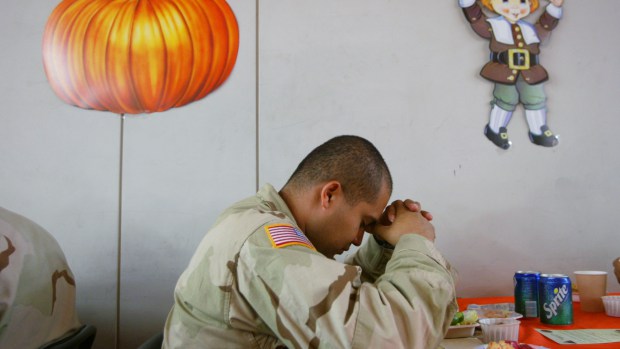
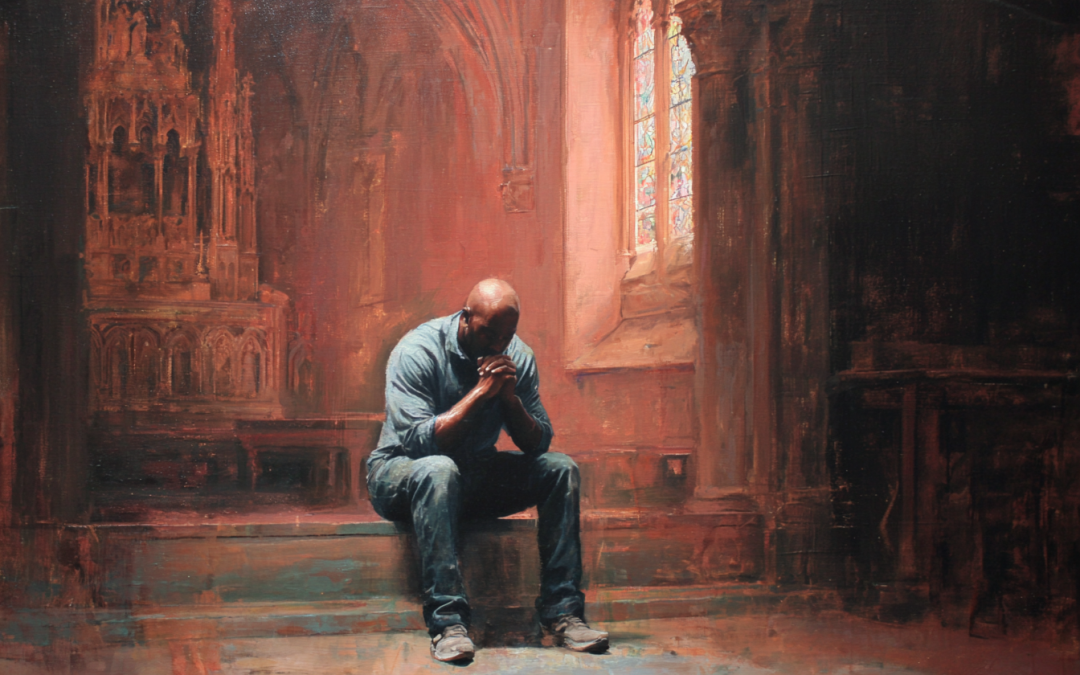
Prayers offered by members of The Church of Jesus Christ of Latter-day Saints follow a pattern that is both structured and immensely personal.
Latter-day Saints begin prayer by addressing “Our Heavenly Father,” recognizing God as a loving, personal parent. This approach reflects the Church’s doctrinal emphasis on the distinctiveness of the Godhead: God the Father, His Son Jesus Christ, and the Holy Ghost. While Jesus Christ is revered as the Savior, the practice of prayer itself is directed solely to the Father, following both biblical precedent and modern revelation.
After an initial greeting, members express gratitude for specific blessings, followed by requests or supplications. These may range from seeking daily guidance and forgiveness to expressing heartfelt concerns for loved ones or the world at large. This conversational tone reflects the Church’s encouragement of honest, specific, and reflective prayers that reflect personal faith journeys.
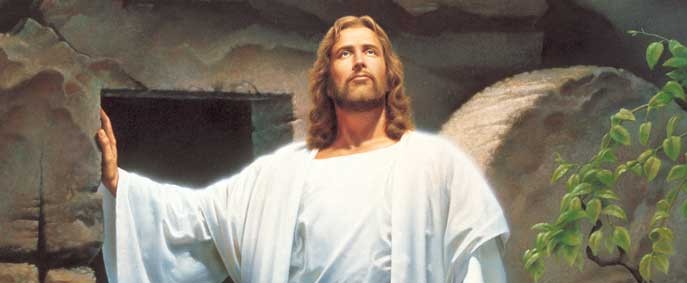
Every prayer ends with “In the name of Jesus Christ, amen. This is not a mere formality but a direct affirmation of the Savior’s mediating role. Latter-day Saints believe Christ enables access to the Father, fulfilling his scriptural invitation, “Whatsoever ye shall ask the Father in my name, he will give it you” (John 16:23).
This simple yet profound pattern—addressing the Father, expressing thanks, making requests, closing in Christ’s name—serves as the foundational structure of both public and private prayers in the Church.
A common question among both members and non-members is whether God only hears and answers the prayers of the worthy, or of Church members. The answer, as guided by both scripture and Church teachings, is emphatically inclusive.
The Church teaches that God is the Father of all mankind, attentive to the prayers of any who faithfully reaches out to Him. The Book of Mormon powerfully emphasizes this idea, as seen in the promise of Moroni 10:4-5:
And when ye shall receive these things, I would exhort you that ye would ask God, the Eternal Father, in the name of Christ, if these things are not true; and if ye shall ask with a sincere heart, with real intent, having faith in Christ, he will manifest the truth of it unto you, by the power of the Holy Ghost.
And by the power of the Holy Ghost ye may know the truth of all things.
Notably, this invitation is extended to all people, regardless of religious affiliation or worthiness.
Throughout the world, countless individuals outside the formal boundaries of the Church have reported answers to their prayers. These experiences serve as living testimony that God responds to sincere seekers everywhere, not just a chosen few.
The universal nature of prayer—and God’s response to it—is mirrored in practices across different religions. For example, both Muslims and Latter-day Saints observe fasting and prioritize prayer as ways to draw closer to God. While the rituals may differ, the underlying faith in divine listening remains constant. By recognizing the shared humanity in these practices, Latter-day Saints are encouraged to see all people as brothers and sisters before God, entitled to His loving attention.
To Whom Is Prayer Directed?
This question sometimes puzzles even seasoned members. In Old Testament times, was prayer addressed to Jehovah (Jesus Christ’s premortal identity) or to God the Father? While the language of scripture may suggest ambiguity, modern revelation clarifies that true prayer has always been directed to our Heavenly Father, even when earlier prophets might have lacked full understanding of the distinct roles within the Godhead.
Ending prayers “in the name of Jesus Christ” comes from both theological conviction and biblical precedent. Latter-day Saints believe that Christ serves as mediator and advocate, bridging the divine-human gap and enabling mortal voices to reach the Father.
Despite differences in doctrinal terminology, the form and spirit of Latter-day Saint prayer closely align with mainstream Christian traditions. Like other Christians, members of the Church affirm Christ’s divinity, resurrection, and essential role in salvation. Their prayers echo those of historic Christianity, reflecting a common commitment to faith, family, and reverence for Christ.
The Church’s openness to learn from the prayer lives of Muslims and others further highlights a spirit of humility and solidarity. Recognizing the sincerity in every person’s search for God, members are encouraged to build bridges of understanding and compassion, never limiting God’s grace to themselves alone.
Gramps