
Question
Gramps,
As you know, the prophets have taught us multiple times, one talk in particular by Elder Oaks in the April 2014 conference, that some priesthood keys have yet to be given to man. Yet, in the temple recommend interview, we are asked if the President of the Church possesses all the priesthood keys. How do we resolve this apparent conflict? Neither my Bishop nor Stake President has an answer.
Thanks,
Ed
Answer
Ed,
Let me start by clarifying something you mentioned in your question. Elder Oaks, in his conference talk, was quoting Spencer W. Kimball. President Kimball mentioned that the only keys not on the earth today were the keys of creation and resurrection. Only Jesus Christ holds those keys. All of the keys needed to restore and direct Christ’s church on the earth today have been given to men on earth. Those are the only keys we need. Therefore, there is no discrepancy to reconcile. Will we ever be given those keys? I don’t know.
So, for those who may not be familiar with what Priesthood keys are, let’s talk about them.
In the Church, the priesthood is the power and authority of God given to men to act in His name. But not all priesthood holders possess keys. As explained in Church manuals and by Church leaders, priesthood keys are “the authority God has given to priesthood [holders] to direct, control, and govern the use of His priesthood on earth.” Holding priesthood keys means having both the responsibility and the right to preside, give direction, and authorize sacred ordinances within a specific sphere.
This distinction is critical. Many men may be ordained to priesthood offices, enabling them to bless the sick, baptize (when authorized), or ordain others. However, unless granted keys, they do not decide when, where, or for whom those ordinances are performed. This principle ensures that the saving ordinances of the gospel—such as baptism, confirmation, and temple rites—are regulated, protected from unauthorized performance, and properly recorded on earth and in heaven.
The Prophet Joseph Smith elucidated, “The fundamental principle, government, and doctrine of the Church of Jesus Christ of Latter-day Saints are founded upon the keys of the priesthood” (see Doctrine & Covenants 132:7). Without authorized keys, even actions taken by ordained individuals cannot effectuate God’s will, and—most importantly—do not bind in heaven.
After Christ’s resurrection, He gave Peter and the original Twelve Apostles the keys of the kingdom of heaven, with the power to bind… on earth… and in heaven (Matthew 16:19). This authority continued in early Christianity and was crucial for administering ordinances and Church discipline. However, as apostolic leaders were killed and the Church fell into apostasy, priesthood keys were lost. The absence of these keys meant that, even if priesthood existed in isolated individuals like John the Beloved or the Three Nephites, they could not continue or restore the full governance and authorized work of the Church.
As Tad R. Callister explains, “The keys are the right to govern; they are an indispensable element of order; they are essential to administering the Lord’s Church.” Without the apostles and the keys they held, the continuation of the priesthood and its saving ordinances was unalterably interrupted.
The Restoration of the gospel through Joseph Smith in the 19th century brought back not only priesthood authority but also the vital keys necessary to govern Christ’s Church. John the Baptist restored the Aaronic Priesthood and its keys. Peter, James, and John, as resurrected beings, restored the Melchizedek Priesthood and associated keys. Later, Moses, Elias, and Elijah each restored additional keys for gathering Israel, the gospel of Abraham, and—the crowning authority—the sealing power.
As Elder Boyd K. Packer recounted, President Spencer W. Kimball, while standing before Thorvaldsen’s statue of Peter holding heavy keys, affirmed, “We hold the real keys and we use them every day.” These restored keys continue in unbroken succession through the President of the Church and the Quorum of the Twelve Apostles.
While all worthy male members of the Church may receive priesthood authority through ordination, only certain leaders are endowed with priesthood keys. The following offices are regularly vested with keys:
– The President of the Church (the prophet) holds all priesthood keys on earth.
– Members of the Quorum of the Twelve Apostles jointly hold all priesthood keys but use them under the president’s direction.
– Seventies Presidency.
– Presidents of temples, missions, stakes, and districts.
– Bishops and branch presidents.
– Quorum presidents (including deacons, teachers, and priests)
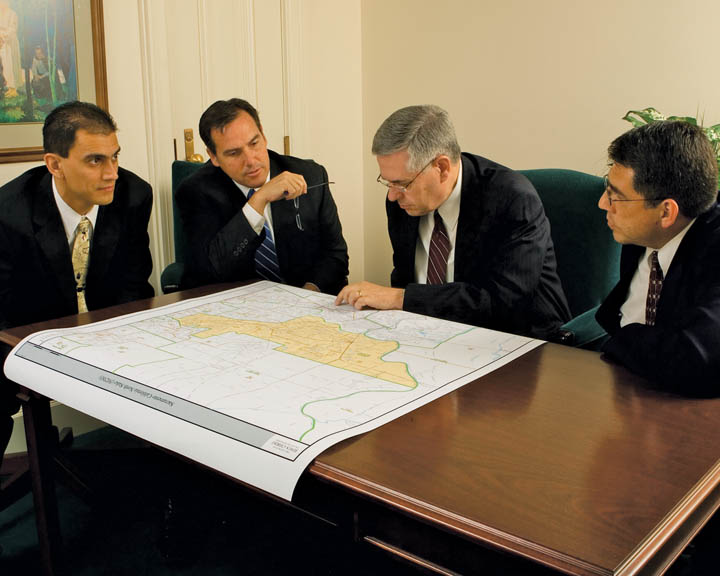
For instance, a bishop holds keys over his ward, determining who may baptize or confer the Holy Ghost, oversee ordinations, and authorize other sacred ordinances. A mission president holds the keys to authorize the work of missionaries and to perform baptisms within his mission boundaries. Without such authorization, ordinances performed—even by authorized individuals—would be invalid.
Priesthood keys are exercised in various ways:
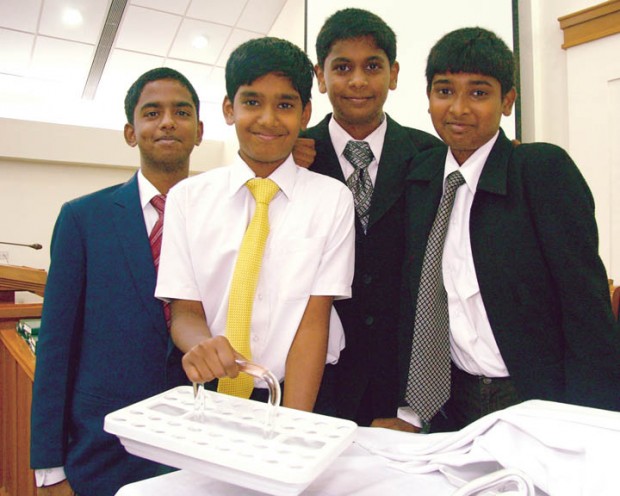
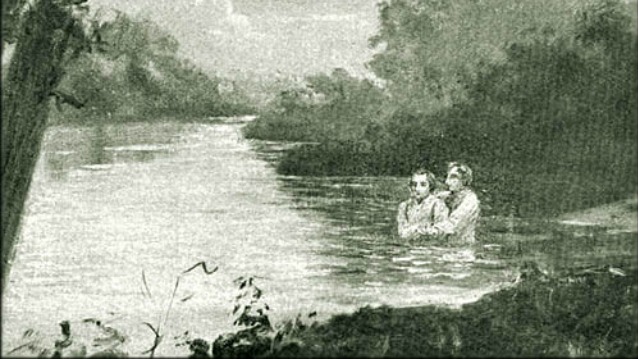
Baptism and Confirmation: Only those with keys can authorize who may perform these ordinances. A priest may baptize, but only with authorization from a key holder (bishop or mission president).
Callings and Ordinations: Only those holding keys can issue callings or ordain others to certain offices. For example, the selection of Primary or Relief Society leaders in a ward is proposed but must be approved and set apart under priesthood keys.
Temple Work: Presidents of temples hold keys for performing ordinances within the temple, including sealings, endowments, and baptisms for the dead.
This careful regulation preserves order, accuracy, and accountability for the saving work performed on earth and recorded in heaven (see Doctrine & Covenants 128:9-11).
Not everyone ordained to a priesthood office can independently exercise all the authority associated with it. “The function of priesthood keys both enlarges and limits,” explained President Dallin H. Oaks. “It enlarges by making it possible for priesthood authority and blessings to be available for all of God’s children. It limits by directing who will be given the authority of the priesthood, who will hold its offices, and how its rights and powers will be conferred.”
For example, a Melchizedek Priesthood holder may not ordain another or perform a sacrament in his own home without permission from the one holding the appropriate keys (his bishop or the presiding authority). The same principle applies at all levels—from quorums up to the President of the Church.
The administration of priesthood keys is intimately tied to leadership and governance in the Church—a matter with significant implications for the role of women. Official Church manuals maintain that “the Church is governed by the Priesthood, and that such governing positions can only be held by male members.” Women serve in prominent leadership roles—such as the presidencies of the Relief Society, Young Women, and Primary organizations—but do not hold or exercise priesthood keys.
President Gordon B. Hinckley explained, “It was the Lord who designated that men in His Church should hold the priesthood.” Elder Dallin H. Oaks similarly emphasized, “Church leaders…are not free to alter the divinely decreed pattern that only men will hold offices in the priesthood.”
Still, women serve with delegated priesthood authority. For instance, when set apart as missionaries or as officers in Church organizations, women are given priesthood authority to perform a priesthood function…under the direction of one who holds the keys of the priesthood.”
In the temple, women have been authorized to perform certain ordinances for other women, yet always under the direction of key-holding priesthood leaders. The boundaries of this delegated service remain defined and approved by those who hold priesthood keys.
For those wondering about change, President Hinckley, in an interview with Larry King, stated that giving women the priesthood “would take another revelation to bring that about. I don’t anticipate it.” There remains no official Church statement on why women cannot hold keys; leaders have stated only that it is by divine designation.
Perhaps the most sacred priesthood key is the sealing power—restored by Elijah to Joseph Smith, binding on earth and in heaven. President Joseph Smith taught that there is “never but one on the earth at a time on whom this power and the keys of this priesthood are conferred,” ensuring that ordinances performed without that authority are “not valid neither of force when they are out of the world” (see Doctrine & Covenants 132:7-8).
Through the restoration of these keys, vicarious temple work is valid not just symbolically, but truly and eternally, provided it is performed with priesthood keys and faithfully recorded. Every ordinance performed properly becomes a law on earth and in heaven.
Gramps