
Question
Gramps,
Elder Hales Conference Talk when he said, “In recent decades, the Church has largely been spared the terrible misunderstandings and persecutions experienced by the early Saints. It will not always be so.” Do you foresee a time of physical persecution and violence against church members coming back into our communities?
Brad
Answer
Brad,
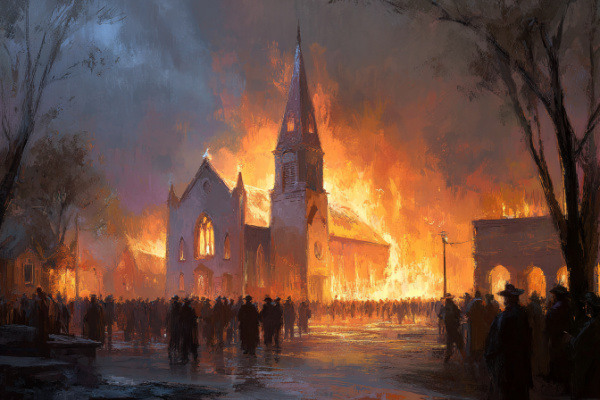
The early days of The Church of Jesus Christ of Latter-day Saints were marked by significant persecution. From the mob violence in Missouri to the expulsion from Illinois, early Saints faced severe trials that tested their faith and resilience. Historical accounts reveal that these persecutions were often fueled by misunderstanding and fear of the unknown. As noted in the writings of B. H. Roberts, the early Saints were often seen as public enemies, facing hostility not just from individuals but from entire communities and governments.
The persecution culminated in the martyrdom of Joseph Smith and Hyrum Smith in Carthage Jail, a tragic event that showed the violent opposition faced by the Church. This history serves as a reminder of the potential for societal backlash against those who hold beliefs that diverge from the mainstream.
In recent years, there have been instances of legal and social challenges faced by members of the Church, such as the case of a baker who faced legal repercussions for refusing to create a wedding cake for a same-sex couple. These events have sparked discussions about religious freedom and the rights of individuals to practice their faith without fear of persecution. As noted in a response to a concerned member, the Church has historically encouraged its members to stand firm in their beliefs while also treating others with respect and kindness.
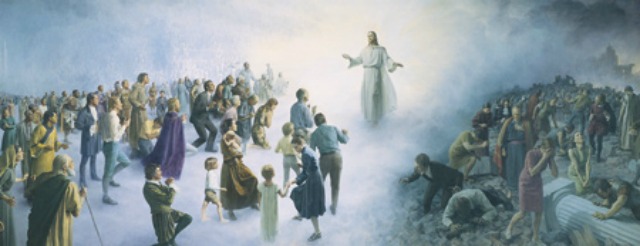
The scriptures provide numerous warnings about the conditions that will precede the Second Coming of Jesus Christ. In the New Testament, Matthew 24 outlines signs of the last days, including wars, famines, and persecution of the faithful. Similarly, the Doctrine and Covenants speaks of great calamities and the need for the faithful to gather in holy places for protection.
President Ezra Taft Benson emphasized that the rejection of God’s servants would lead to greater calamities, suggesting that the faithful may face increased opposition as the world becomes more wicked. This prophetic framework raises the question: How should members of the Church prepare for potential persecution?
The teachings of modern prophets provide guidance on how members can prepare for the challenges that may arise. President Gordon B. Hinckley encouraged members to build their faith and strengthen their relationship with God and to stand up for something. This spiritual preparation is crucial, as it fosters resilience and hope in the face of adversity.
In addition to spiritual preparation, practical measures such as establishing a food storage supply and financial savings are also recommended. The Church has counseled its members to be wise and not to go to extremes, but to be prepared for adversity. This dual approach—spiritual and practical—can help members navigate the uncertainties of the future.
In times of trial, the strength of community becomes paramount. The early Saints relied on one another for support, and this principle remains relevant today. Building a network of like-minded individuals can provide emotional and spiritual support during challenging times. As members of the Church, fostering relationships with fellow Saints can create a sense of belonging and shared purpose, which is essential in facing potential persecution.
While it is important to strengthen internal community ties, engaging with the broader society is equally vital. The Church encourages its members to practice civility and respect towards others, regardless of differing beliefs. This approach not only fosters understanding but also helps to mitigate hostility towards the Church. As noted in a response to a concerned member, treating others with kindness and respect is a reflection of Christ’s teachings and can help bridge divides.
Gramps