

Question
Hi Gramps,
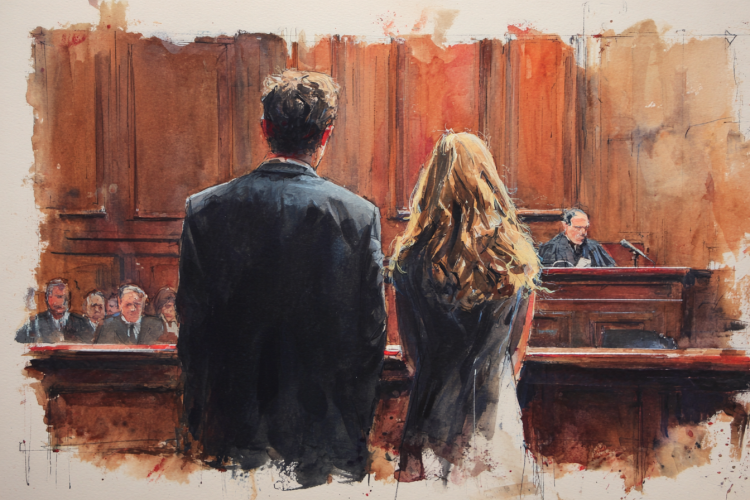
I am in a position where I have the opportunity to sue and charge someone for defamation, retaliation, and discrimination against me, However I know some churches are against suing because we are taught to turn the other cheek. What should I do? And what is the Church’s stance on suing?
Isaac
Answer
Isaac,
I was not able to find a specific policy in the Church Handbook on this question. The closest guidance I can see is in the New Testament:
JST, Luke 6:29 And unto him who smiteth thee on the cheek, offer also the other; or, in other words, it is better to offer the other, than to revile again. And him who taketh away thy cloak, forbid not to take thy coat also.
30 For it is better that thou suffer thine enemy to take these things, than to contend with him. Verily I say unto you, Your heavenly Father who seeth in secret, shall bring that wicked one into judgment.
This renders a slightly different perspective than the version in Matthew, which talks specifically about being sued:
Matthew 5:39 But I say unto you, That ye resist not evil: but whosoever shall smite thee on thy right cheek, turn to him the other also.
40 And if any man will sue thee at the law, and take away thy coat, let him have thy cloak also.
Beyond this, there are certain principles you can consider:
- that we should obey the law (see, for example, Doctrine & Covenants 58:21-22, 1 Peter 2:13-17, Article of Faith 12)
- that we are to forgive others (see, for example, Matthew 18:21, 3 Nephi 13:14, D&C 98:40, Luke 6:37, etc.)
- that we should appeal to civil law for redress of wrongs (see, for example, D&C 101:76-77, D&C 105:25, D&C 134:11)
The best guidance I can offer is to prayerfully study these principles, do all you can to forgive the person who offended you so that you aren’t overstepping the line between seeking redress and seeking vengeance, and take your decision to the Lord for confirmation before you move forward.
Best wishes for a peaceful resolution,
Gramps
Related Posts
 Should my mentally handicapped son hold the priesthood in the Mormon Church?
 Why doesn’t the Mormon Church have crosses on their buildings as do other Christian churches?
 Should little children be permitted to bear their testimonies in Sacrament Meeting?
 How Can I Teach My Children Not to Watch Pg-13 Rated Movies?