
Question
Gramps,
Did the prophets, through the dispensations, have specific responsibilities?
Brad
Answer
Brad,
Dispensations can be understood as periods in which God has provided specific revelations and instructions to His people. According to Latter-day Saint theology, there have been several dispensations throughout history, each marked by a prophet who received divine authority and guidance. The Bible Dictionary describes a dispensation as a “period during which God gives specific revelations and commandments to His children.” This framework allows for a structured understanding of how God’s will has been communicated over time.
Prophets are central figures in each dispensation, acting as intermediaries between God and humanity. They receive divine revelations, which they then share with their followers. The role of a prophet is not merely to convey messages but to establish covenants, restore priesthood authority, and guide their people in righteousness. For instance, Adam, the first prophet, received commandments directly from God and taught his children about the importance of obedience and sacrifice. Similarly, Noah was called to warn his generation of impending destruction and to prepare a remnant to continue God’s work on Earth.
One of the critical aspects of dispensations is the continuity of priesthood authority. Each prophet is believed to hold keys that allow them to perform sacred ordinances and lead their people. This authority is passed down through generations, ensuring that God’s teachings remain accessible. The Bible teaches that “the Lord will raise up from the very rocks servants unto Himself” (Matthew 3:9), indicating that God can choose prophets from any background to fulfill His purposes. This principle underscores the idea that divine authority is not limited to a specific lineage but is available to all who are called by God.
Adam is recognized as the first prophet and the head of the first dispensation. He received direct revelations from God, including the commandment to multiply and replenish the Earth. Adam’s teachings laid the foundation for understanding the nature of God and the importance of obedience. He taught his children about the plan of salvation and the necessity of sacrifice, which was exemplified in the offering of lambs. Adam’s role as a prophet was crucial in establishing the principles of faith and repentance that would be central to all future dispensations.
Noah, the head of the second dispensation, was called to preach repentance to a wicked generation. His mission was to prepare for the great flood, which would cleanse the Earth of its corruption. Noah’s faithfulness in building the ark and gathering his family and the animals exemplified obedience to God’s commandments. He is often referred to as a “herald of righteousness” because he warned his contemporaries of the impending judgment while also providing a means of salvation through the ark. After the flood, Noah received the covenant of the rainbow, symbolizing God’s promise never to destroy the Earth by water again, thus establishing a new beginning for humanity.
Abraham is a pivotal figure in the history of dispensations, serving as the head of the third dispensation. He is known for his unwavering faith and willingness to follow God’s commands, even when they seemed impossible. Abraham’s covenant with God included promises of land, posterity, and blessings for all nations through his lineage. His role as a prophet involved not only receiving revelations but also teaching others about the nature of God and the importance of righteousness. Abraham’s faithfulness established him as a “father of many nations,” and his legacy continues to influence millions today.
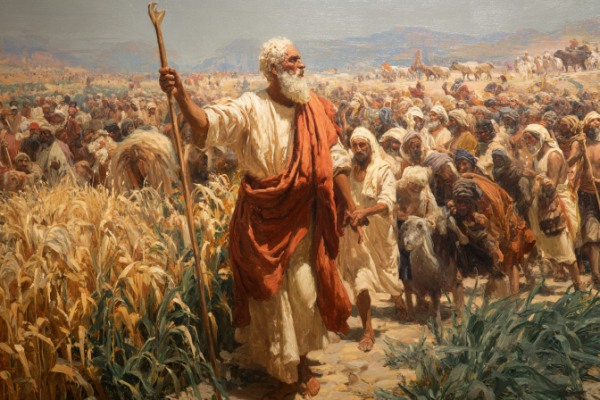
Moses, the head of the fourth dispensation, played a crucial role in delivering God’s commandments to the Israelites. He led them out of bondage in Egypt and received the Ten Commandments on Mount Sinai, which served as a moral and ethical foundation for the Israelite community. Moses’s leadership exemplified the importance of obedience to God’s laws and the need for a covenant relationship with Him. His role as a prophet was not only to convey God’s will but also to intercede for his people, demonstrating the compassionate nature of God.
The concept of dispensations culminates in the belief that Joseph Smith was called as a prophet in the last dispensation, known as the Dispensation of the Fullness of Times. This period is characterized by the restoration of priesthood authority and the fullness of the gospel. Before Joseph Smith, there was a significant apostasy, and the keys of the priesthood were not present on the Earth. Joseph’s role was to restore the teachings and ordinances that had been lost, including the Book of Mormon, which serves as another testament of Jesus Christ.
The belief in ongoing revelation is a cornerstone of Latter-day Saint theology. Just as ancient prophets received guidance from God, members of the Church believe that modern prophets continue to receive divine instruction. This principle emphasizes that God’s plan is not static but evolves as humanity progresses. The teachings of Joseph Smith and subsequent leaders provide insights into how individuals can navigate the complexities of modern life while remaining true to divine principles.
Gramps