
Question
Dear Gramps,
Why do we dedicate graves for people that have died?
Gidgtmidgt
Answer
Dear Gidgtmidgt,
The Church of Jesus Christ of Latter-day Saints teaches that the body is not merely a disposable vessel, but a sacred entity, created in the image of God.
Church teachings emphasize that:
The Body as the Temple of the Spirit: The body houses both the divine spirit that comes from the presence of God and may also serve as a dwelling for the Holy Spirit—guiding, comforting, and protecting the faithful according to their obedience and faithfulness. This deep respect for the body is why Church members strive to keep their bodies pure and healthy in life and to treat them with dignity and sacredness in death as well.
The Promise of Resurrection: The Church holds a robust doctrine of bodily resurrection. The mortal body, though it will temporarily return to the dust, is destined to be reunited with the spirit and brought forth again in the glorious resurrection to be reunited with the spirit in an eternal state, to live forever in that environment that is merited by the type of life lived during mortality. This belief means that the care given to the body at death is not mere sentimentality, but an expression of faith in the resurrection and eventual reunion of body and spirit.
Thus, to simply discard or disrespect the body after death would be contrary to these core teachings. Instead, a reverent farewell and the dedication of the gravesite become acts of faithful anticipation—honoring both the person who has died and God’s eternal plan for all His children.
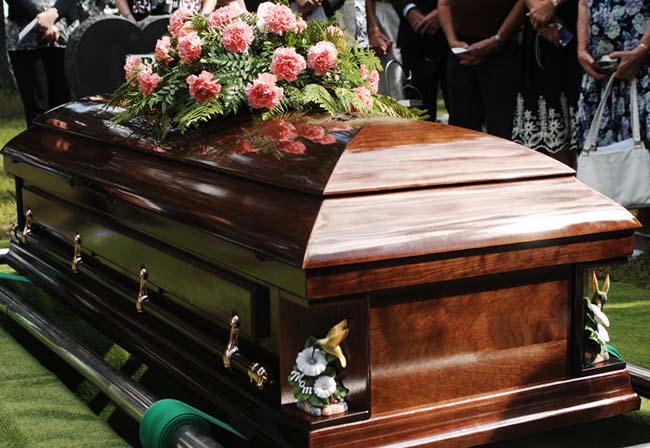
Dedicating the grave is regarded as an ordinance of the gospel—not unlike other sacred acts performed by the authority of the priesthood in the name of Christ. Elder Bruce R. McConkie described the practice as follows: “It is the accepted practice of the Church – based on precedent and guided by the spirit of revelation in those whom God has chosen to lead the Church – to dedicate the graves of faithful saints who depart this life. Dedication of graves is an ordinance of the gospel and is performed in the name of Christ and in the authority of the Melchizedek priesthood.”
The actual dedicatory prayer is not a formal, set text but is directed by inspiration and the needs of the family. It generally includes:
– Expressions of gratitude for the life of the deceased
– Words of comfort and hope for surviving family and friends
– Requests for God’s protection over the grave
– Petitions for the peace and care of those who mourn
The grave is thus “set apart” as a sacred resting place until the day of resurrection. Each prayer is personalized, reflecting both the spirit of the occasion and the faith of those present.
Interestingly, as the Church continues to grow in regions where cremation is more common or culturally mandated, adaptations have been made. Official guidelines now specify that “the place” where ashes are kept—whether in a cemetery, a columbarium, or even within a family home—may be dedicated in the same spirit. The focus is on the resting place rather than the container itself, and local customs, laws, and the family’s wishes are considered important in the process.
The ritual of dedicating the grave and visiting burial sites is not just about grief or nostalgia. As the scholar Hugh Nibley observed, it is important not to turn death into an obsession or a morbid attachment to earthly remains, nor to banish the topic into the realm of denial. Instead, the practice strikes a balance of acknowledging mortality while expressing hope in immortality. It is “an act of love, profoundly unselfish,” as Terryl and Fiona Givens note—rooted in a desire to honor, not cling to, the departed, and to affirm our trust in God’s continuing care beyond the grave.
Gramps