

Question
Gramps,
What does honor thy father and thy mother mean? When I say no to my parents, they always quote that. Please tell me what that means.
Liam
Answer
Dear Liam,
What you are not saying is what you are saying “no” to. Are you saying “no” to them when they tell you to clean your room or be home by a certain time? Or are you saying “no” to them because they’re telling you to beat up the next-door neighbor?
One of the Ten Commandments says, “Honour thy father and thy mother” (Exodus 20:12). We hear that commandment often, especially when we are young, but what does it actually mean to honor our parents?
Does it mean that we must agree with everything they say? Does it mean that we must obey them for our entire lives? And what about situations where our parents make mistakes or even make unrighteous choices?
From a Latter-day Saint perspective, honoring our parents is about much more than simply doing what we are told. It involves love, respect, gratitude, and living in a way that reflects the teachings of Jesus Christ.
The Lord’s command is very straightforward: “Honour thy father and thy mother” (Exodus 20:12). The Church’s Gospel Principles manual explains that honoring our parents includes loving and respecting them, as well as obeying them.
Respect can be shown in simple ways. We can listen when our parents speak. We can avoid speaking harshly to them. We can appreciate the sacrifices they have made for us. We can thank them for the things they have done.
This doesn’t mean we have to pretend our parents are perfect. They aren’t. None of us are.
In fact, the Church’s teachings recognize that parents have weaknesses just as children do. One Church manual explains that regardless of our parents’ weaknesses, we can honor them by expressing our love for them and keeping the commandments of God.
That is an important distinction.
We honor our parents, but we ultimately worship and obey Heavenly Father.
When children are young, obedience is an important part of honoring their parents. Parents have a God-given responsibility to teach, protect, provide for, and care for their children.
The scriptures teach children to “obey your parents in the Lord” (Ephesians 6:1). The phrase “in the Lord” is significant. Obedience to parents does not mean that a child should knowingly do something sinful simply because a parent told them to.
Our first loyalty is always to Heavenly Father and Jesus Christ.
Something interesting about this commandment is that it doesn’t have an expiration date.
When we become adults, get married, move away, or have families of our own, our relationship with our parents naturally changes. We may no longer be under their authority in the same way we were as children. But we can still honor them.
As adults, honoring our parents might mean calling them, checking on them, listening to their advice, helping them when they need assistance, remembering important occasions, or simply letting them know that we love them.
The Church has also taught that children should care for their parents in their old age. Sometimes, honoring our parents can be as simple as being there for them.
This is probably where the commandment becomes more difficult.
Some people have wonderful relationships with their parents. Others don’t. Some have parents who made serious mistakes. Some have parents who were not good examples. Others may have experienced painful or unhealthy relationships with their parents.
Does the commandment still apply?
Yes—but honoring someone does not mean allowing them to mistreat us.
We can forgive someone without trusting them in every situation. We can speak respectfully without agreeing with them. We can love someone while maintaining appropriate boundaries.
Sometimes, depending on the circumstances, honoring a parent may simply mean refusing to hate them or wishing them harm while maintaining necessary distance.
The Savior’s command to love others doesn’t disappear simply because a relationship is difficult.
There is another interesting aspect of honoring our parents: the way we live can bring honor to them.
When we choose honesty instead of dishonesty, kindness instead of cruelty, service instead of selfishness, and faith instead of rebellion, we are not only following Christ—we are also honoring those who raised us.
Of course, this doesn’t mean our worth depends upon making our parents proud. Our ultimate goal is to become disciples of Jesus Christ. But living righteously can be one of the greatest ways we can honor our parents.
There is also a deeper spiritual meaning behind the commandment.
The Church teaches that the family is central to Heavenly Father’s plan. We lived with our Heavenly Parents before coming to earth, and our earthly families can teach us many of the qualities we need to develop as we become more like God.
The command to honor our earthly father and mother can remind us of something even greater: we are also children of Heavenly Father.
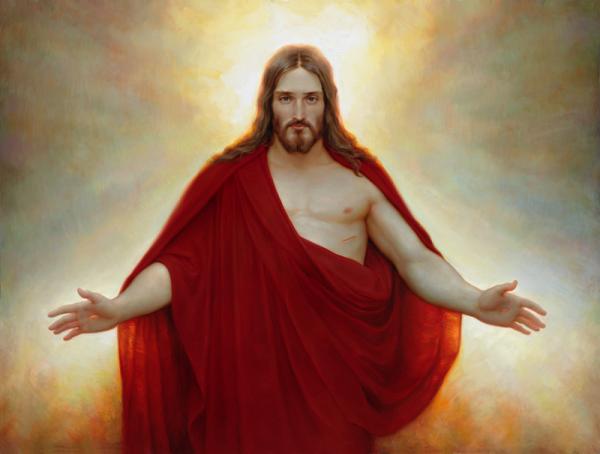
The Savior demonstrated this perfectly. Jesus loved and honored His earthly parents, but He also made it clear that His ultimate purpose was to do His Father’s will in Heaven.
In John 8:49, Jesus said, “I honour my Father.”
That gives us a good pattern. We honor our earthly parents, but we never put them above God.
So, in simple terms, honoring our father and mother means treating them with love, respect, gratitude, and appropriate obedience. It means appreciating the good they have done for us and, when possible, helping and caring for them.
It also means recognizing that they are human beings who make mistakes.
And perhaps most importantly, honoring our parents means trying to live the gospel of Jesus Christ.
We don’t honor our parents by pretending they are perfect. We honor them by loving them, respecting them, forgiving them when appropriate, learning from their good examples, avoiding their mistakes when necessary, and living in a way that reflects the Savior’s teachings.
The commandment is not simply, “Do whatever your parents tell you.”
It is much deeper than that.
“Honour thy father and thy mother.”
For a Latter-day Saint, that means showing gratitude for the people through whom Heavenly Father gave us life, treating them with Christlike love and respect, and remembering that our ultimate example—and our ultimate allegiance—is to our Heavenly Father and His Son, Jesus Christ.
Gramps